

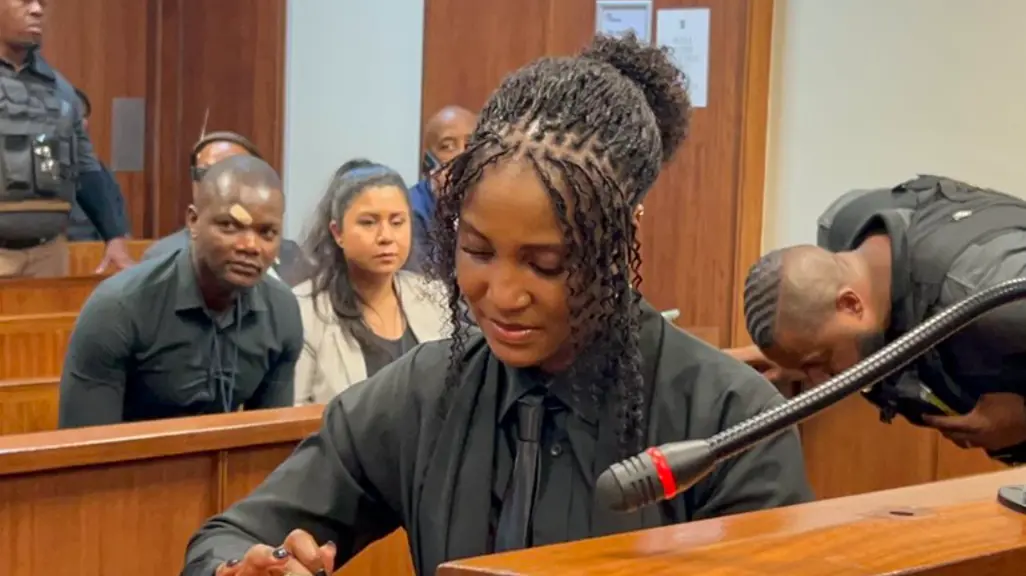
A deep split has grown in the Zuma family after Nkoszana Bonganini Zuma-Mncube laid a case with the police against her sister, Member of Parliament Duduzile Zuma-Sambudla. She says Zuma-Sambudla took part in the move to send 17 South African men who are now stuck in the Russia-Ukraine war. The case was opened at the Sandton police station on Saturday.
Zuma-Mncube said she laid charges against three people — Zuma-Sambudla, Siphokazi Xuma and Blessing Khoza. She says they were key in pulling the men in with false promises. She says the men were sent to Russia under the wrong idea and then sent on to a group that works in the Ukraine war. Eight of the men are part of her own family.
She said the act broke a few laws, like the Prevention and Combating of Trafficking in Persons Act, the Regulation of Foreign Military Assistance Act and common-law fraud. Zuma-Mncube said the men did not agree to go to a war area and that the acts of those named put the men in real danger.



The South African state has been looking into how the 17 men got to the Donbas war zone. Officials said the men, aged 20 to 39, called for help to get back home after they saw they had been misled by big job offers. Sixteen of the men are from KwaZulu-Natal and one is from the Eastern Cape.
Past reports said the men went overseas for what they thought was good work or skills training, but then found they had been sent into the Russia-Ukraine fight. State voice Vincent Magwenya said the men were misled by people who gave them big job claims that turned out to be false.
Some world news groups have also linked Zuma-Sambudla to plans to bring in young South Africans for what was said to be skills work in Russia. Zuma-Sambudla has not said anything in public about these claims, and neither she nor the MK Party has made a statement on the case.
The men signed forms they did not fully get before they were sent to east Ukraine. Officials said the forms may have been used to move them into the war zone, which raised more fear about how the whole plan was done.
Zuma-Mncube said she acted out of a moral need to help the men and said she could not look away from what they faced. She told the public to be on guard with offers from abroad that seem “too good to be true”, more so when they link to places in conflict.
The case has put more strain on the state teams who are looking into what took place, as they try to check the men’s stories and see how they were sent to the front lines. Work to bring the men home is still going on as the state looks at the legal issues around how they were moved.
The growing fight has also added heat to the political and family issues around the Zuma name, as the case draws more focus to claims of trafficking and to the wider problem of South Africans being drawn in by unsafe offers in war zones.